

ADVISING
In ARHU we inspire and challenge you to BE WORLDWISE in every sense of the word. Open yourself to stimulating courses and many other opportunities that help you appreciate human experience, thought, expression and creativity.
ARHU advisors will help you navigate your college journey so you can discover your passion, develop your academic plan and infuse your UMD experience with study abroad, internships, engaged research with faculty and career explorations.
Every ARHU student is required to participate in college and departmental advising.
For information on advising, please visit:
The College of Arts and Humanities advising information
To schedule an advising appointment, select the appointment type you are seeking below and from there you will be directed to the appropriate scheduling page.
Meet With an Advisor to:
Declare a Major
- Contact and meet with the departmental/major advisor to discuss major and begin academic plan.
- Complete the World Language Placement (WLP)
- Schedule an appointment with an ARHU advisor (click here) or by calling 301-405-2108 to complete your change of major. Bring your signed Academic Plan Checklist to your appointment .
Mandatory Advising
Mandatory First Semester Advising
To prepare to register for your second semester at UMD, you will need to meet with your department, complete language placement and meet with an ARHU advisor in order to complete your academic plan.
- Contact and meet with the departmental/major advisor to discuss major and begin academic plan. Your major advisor will upload your approved Academic Plan Checklist
- Complete the World Language Placement (WLP)
- Schedule an appointment with an ARHU advisor (click here) or by calling 301-405-2108 to complete your change of major. Appointment must be scheduled to take place at least one day after you complete Steps 1 and 2.
Mandatory Sophomore and Senior Advising
For ARHU Mandatory Advising blocks when you are in the 45-55 or 86-100 credit range, an ARHU advisor sent an email outlining your remaining requirements and steps to lift your ARHU advising block. Please check your email and respond to that advisor to lift your block. If you have a department block, you will need to follow-up with your department advisor.
General Advising
You may also schedule an appointment with an ARHU advisor if you have general questions.
Study Abroad Advising/Course approval
Study Abroad Course approval
SACA (Study Abroad Course Approval) Form approval is an online process and does not require an advising appointment.
- Please follow the online SACA form guidelines from Education Abroad.
- Students seeking approval to complete the Global Engagement Requirement abroad should schedule to meet with Paula Nadler specifically.
- GenEd course evaluations must be requested through the corresponding UMD department(s) for the course(s). Requests can be submitted through the EA Transfer Credit Evaluation Request form.
Study Abroad exploration
Schedule a remote appointment with an Arts and Humanities advisor to talk about study abroad and other global learning opportunities for ARHU students.
Probation/Dismissal Advising
Schedule a virtual appointment/ in person appointment meet with Ms. Tiara Lowe to complete advising for registration if you are on academic probation or academic dismissal
Athlete Advising (new and current ARHU athletes)
Schedule a virtual appointment/in person appointment for Athlete Advising
Credit Limit overrides
Per University of Maryland policy, students can register for a maximum of 16 credits prior to the first day of classes. On the first day of classes, students may register for up to 20 credits.
ARHU considers exceptions to this policy under the following circumstances (ARHU must be your primary college):
- you are a Music, Theatre or Dance major
- you are graduating in the upcoming semester
- you are registering for your fifth course, which exceeds 16 credits
Click here to file an exception if if you fall into any of these categories to request permission to register for up to 20 credits before the first day of classes.
Please note that on the first day of classes the credit limit is automatically increased from 16 to 20 credits.
Students seeking permission to register for more than 20 credits must file an exception. To do so click here.
Career and Internship Advising
The University Career Center @ ARHU appointments
Schedule an appointment through Handshake with Kate Juhl or Caroline Bodnar for:
- Major and career exploration
- Internship search
- Job search
- Graduate school/continuing education
- Resume and cover letter
- Change in career path
Visit the University Career Center website to schedule
Internship course appointments
Schedule an appointment with Jeff Kodis if you are an ARHU major and have questions about receiving academic credit for an internship or if you are already enrolled in an ARHU internship course. Please note that this appointment is only for students who already have an internship; for assistance in finding an internship you should contact the University Career Center @ ARHU
Featured Links
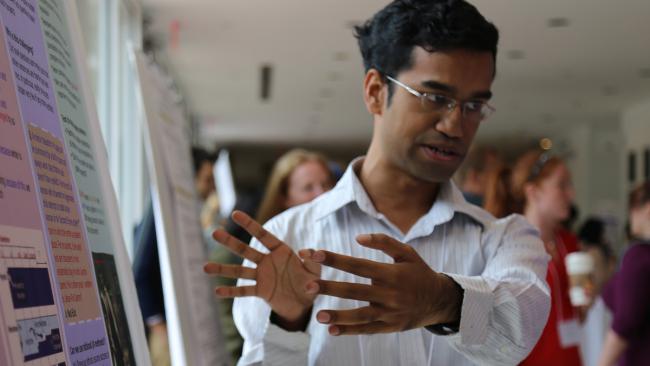
Declare A Major
To add or declare an ARHU major, follow these steps.
Learn More
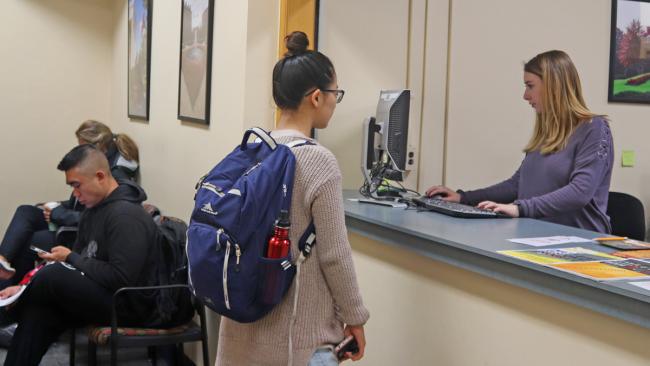
Academic Planning and Mandatory Advising
To access academic plans and learn about mandatory advising.
Learn More
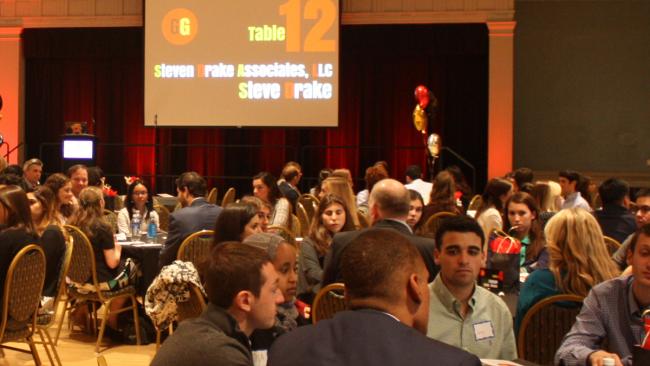
Careers
Professional development resources to grow your career.
Learn More
For general questions, email arhuadvising@umd.edu.
Office of Undergraduate Education Contacts
Caroline Bodnar
Career Advisor, College of Arts and Humanities
1120 Francis Scott Key Hall
College Park
MD,
20742
Krystle Chick
Program Administrative Specialist, College of Arts and Humanities
1120 Francis Scott Key Hall
College Park
MD,
20742
Robert Crane
Director, College of Arts and Humanities
1120 Francis Scott Key Hall
College Park
MD,
20742
Audran Downing
Associate Dean for Academic Affairs: Undergraduate Education, College of Arts and Humanities
BTAA Courseshare Program, School of Languages, Literatures, and Cultures
1120 Francis Scott Key Hall
College Park
MD,
20742
Joseph Filteau
Coordinator, College of Arts and Humanities
1120 Francis Scott Key Hall
College Park
MD,
20742
Grace Hall
Graduate Assistant, College of Arts and Humanities
1120 Francis Scott Key Hall
College Park
MD,
20742
Kate Juhl
Program Director, College of Arts and Humanities
1120 Francis Scott Key Hall
College Park
MD,
20742
Jeffrey Kodis
Senior Academic Advisor, College of Arts and Humanities
1120 Francis Scott Key Hall
College Park
MD,
20742
Jessica Krenek
Assistant Director, College of Arts and Humanities
1120 Francis Scott Key Hall
College Park
MD,
20742
Henriette Leopold
Graduate Assistant, College of Arts and Humanities
1120 Francis Scott Key Hall
College Park
MD,
20742
Tiara Lowe
Senior Academic Advisor, Office of Student Affairs, College of Arts and Humanities
1120 Francis Scott Key Hall
College Park
MD,
20742
Paula Nadler
Director, College of Arts and Humanities
1120 Francis Scott Key Hall
College Park
MD,
20742
Adina Oved
Senior Academic Advisor, College of Arts and Humanities
1120 Francis Scott Key Hall
College Park
MD,
20742
Fatima Seck
Graduate Student, Comparative Literature, English
Academic Advisor/Graduate Assistant, College of Arts and Humanities
1120 Francis Scott Key Hall
College Park
MD,
20742
Jessica White
Coordinator, College of Arts and Humanities
1120 Francis Scott Key Hall
College Park
MD,
20742
Zhiyi Wu
Academic Advisor, College of Arts and Humanities
1120 Francis Scott Key Hall
College Park
MD,
20742